


From 9–20 March 2026, global leaders, policymakers, civil society organizations, and advocates are gathering in New York for the Commission on the Status of Women (CSW)-the world’s largest intergovernmental platform dedicated to advancing gender equality and the empowerment of women and girls.
While discussions at CSW address a wide range of challenges facing women globally, one critical issue that must remain at the center of the conversation for Africa is energy access. Across the continent, millions of women and girls still live without reliable electricity and rely on traditional biomass fuels such as firewood and charcoal for cooking. This energy poverty continues to undermine progress toward gender equality, economic empowerment, and sustainable development.
Women and girls often bear the greatest burden of energy poverty. In many communities, they spend several hours each day collecting firewood or preparing fuel for cooking. This time-consuming task limits their opportunities to pursue education, participate in income-generating activities, or engage in leadership roles within their communities. At the same time, cooking with polluting fuels exposes women and girls to dangerous levels of household air pollution, contributing to respiratory diseases and other serious health risks.
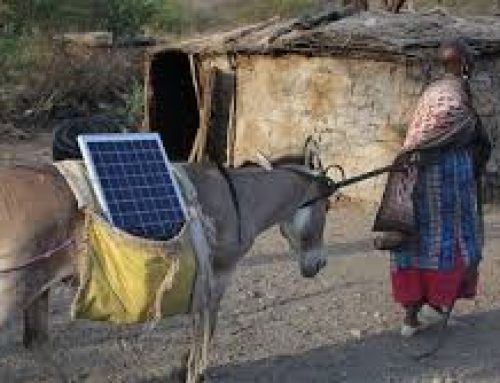
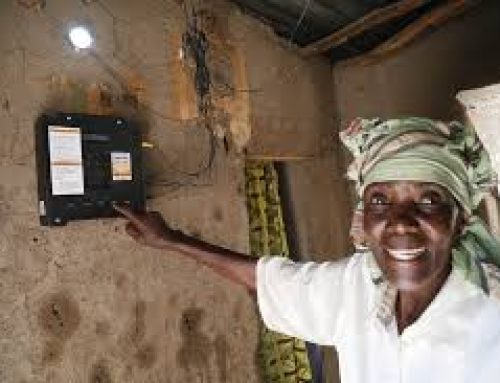
Expanding access to modern energy-particularly clean cooking solutions and decentralized renewable energy-can significantly transform the lives of women and girls across Africa. Reliable energy reduces health risks, saves time, supports education, and creates opportunities for entrepreneurship and economic empowerment.
For these reasons, the ACCESS Coalition is calling on governments, development partners, and financial institutions participating in CSW 2026 to prioritize energy access as a key pillar of gender equality and sustainable development.
Key Outcomes Africa Needs from CSW 2026
To ensure meaningful progress, the discussions and commitments emerging from CSW must translate into concrete actions that address energy poverty and empower women across Africa.
1.Scale up investment in clean cooking solutions to end reliance on polluting fuels and protect the health of women and girls. Expanding access to clean cooking technologies can significantly reduce household air pollution while improving livelihoods and environmental sustainability.
2.Integrate gender equality into national energy and climate policies, ensuring that women not only benefit from energy access but also play leadership roles in shaping Africa’s energy transition.
3.Increase financing for decentralized renewable energy solutions that can rapidly expand electricity access in underserved and rural communities where women are often disproportionately affected by energy poverty.
4.Support women’s leadership and entrepreneurship in the energy sector, including opportunities in clean cooking value chains, renewable energy businesses, and energy innovation.
5.Strengthen accountability mechanisms to ensure that global commitments on gender equality and energy access translate into real investments, policies, and measurable progress on the ground.
Turning Commitments into Action
Achieving gender equality requires addressing the structural barriers that limit women’s access to resources, opportunities, and decision-making spaces. Energy access is one of the most powerful enablers of women’s empowerment.
As the global community convenes at CSW 2026, there is a critical opportunity to recognize the central role that energy plays in advancing gender equality. By placing energy access at the heart of gender policies and development strategies, governments and development partners can unlock transformative opportunities for millions of African women and girls.
The path toward gender equality must also be a path toward universal access to clean, affordable, and reliable energy. Ensuring that Africa’s energy transition is inclusive and gender-responsive will be key to building a future where every woman and girl has the opportunity to thrive.

Leave A Comment