By Wentland Muhatiah, ACCESS Coalition
Picture a wooden pole standing at the edge of a village. It is the most ordinary object in the energy world, and the most telling. In Bangkok this week, we learned that poles make up about a third of the cost of bringing the grid to the last mile. We also learned that very few of them are made in Africa.
That single fact carries most of what we came to say. Mission 300, the World Bank and African Development Bank drive to connect 300 million Africans to electricity by 2030, is rightly described as a jobs programme as much as an energy one. But a jobs programme that imports its poles has already sent part of its promise somewhere else. The question for Mission 300 has never only been how many people it connects. It is also who builds it, who can afford what it delivers, and who gets counted along the way.
Before the meetings began, I set out five things ACCESS wanted Mission 300 to commit to. This is what I heard over the week, and how far those asks moved.
Floodwater outside, a different agenda inside
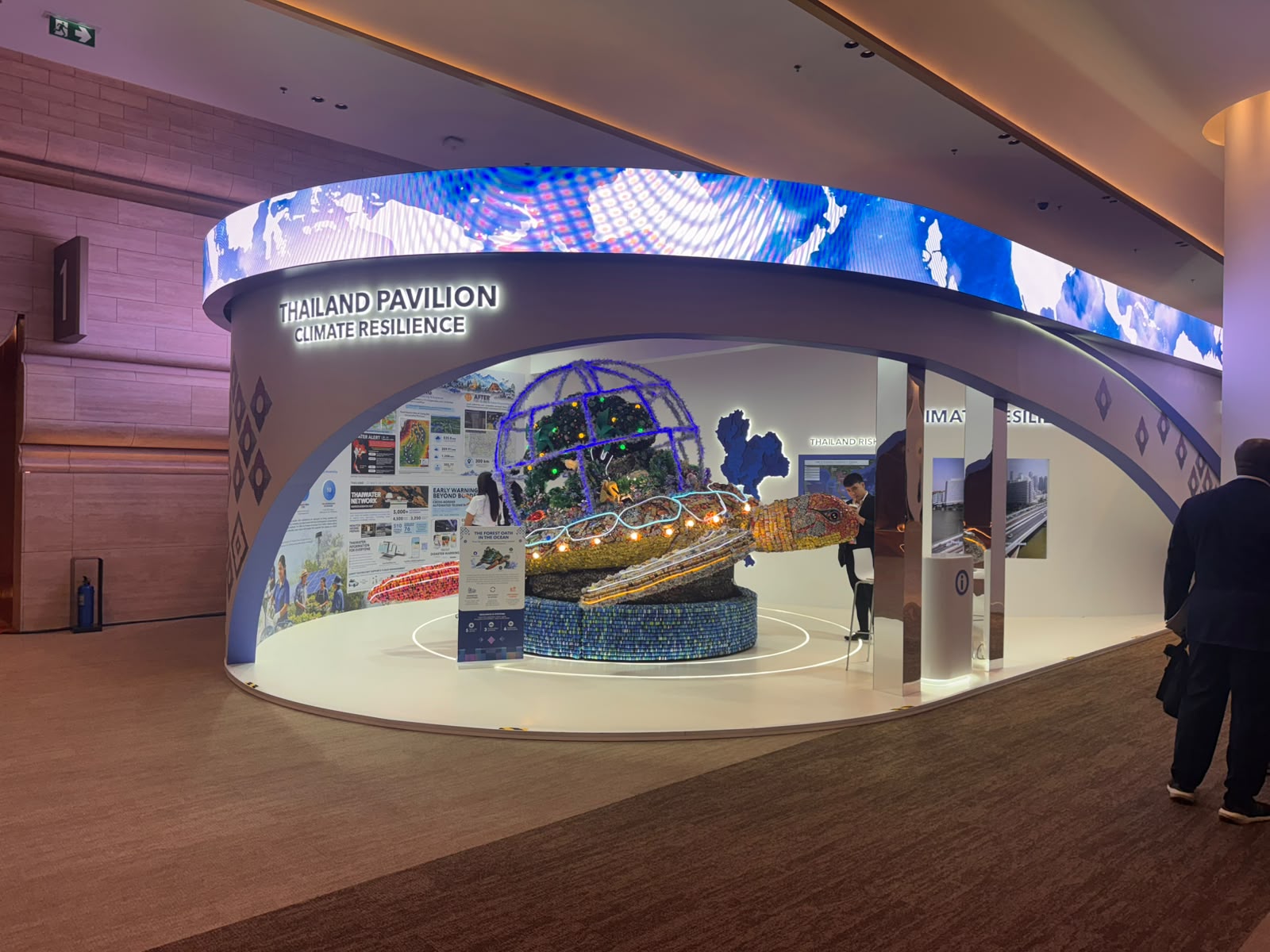
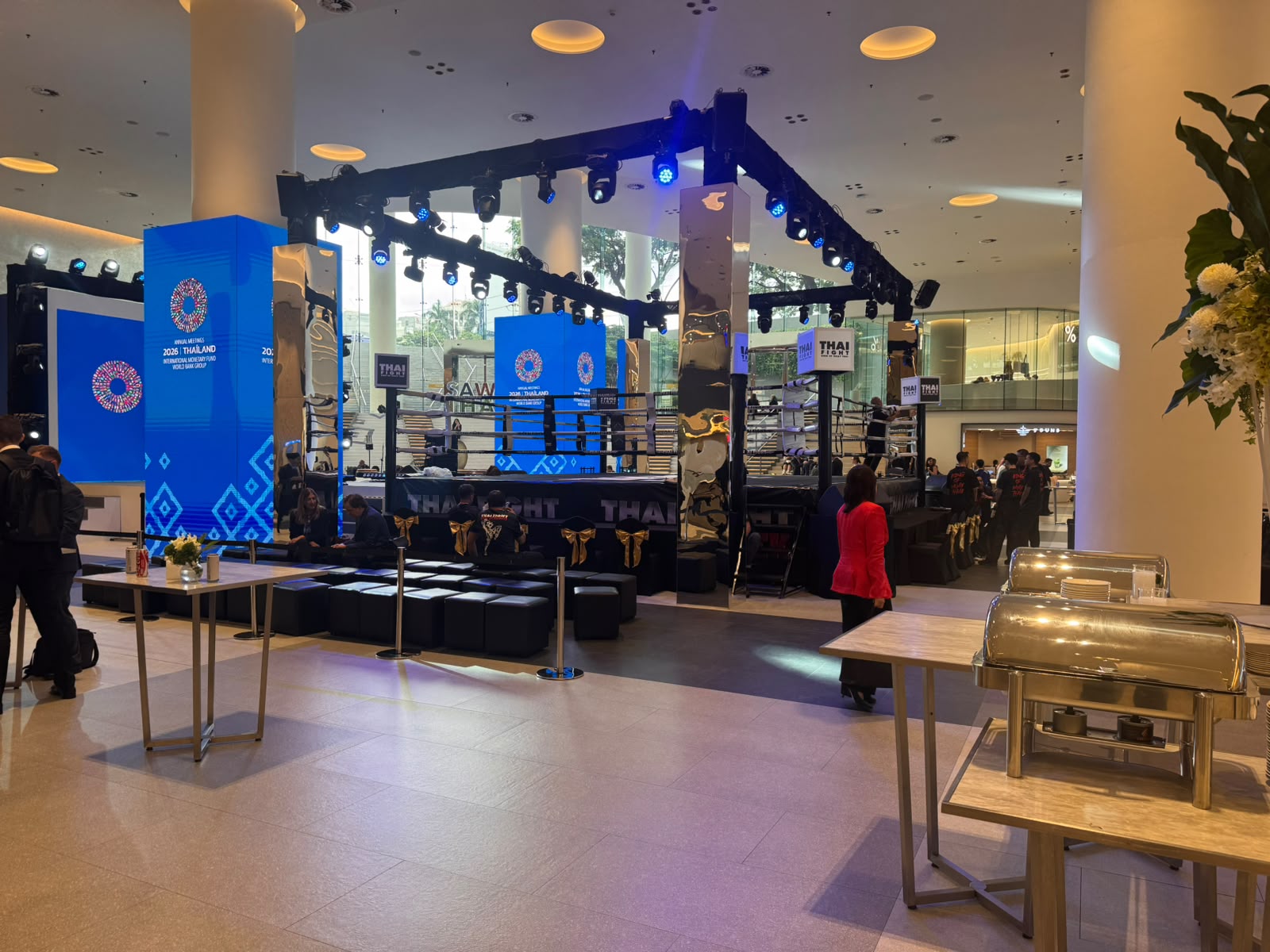
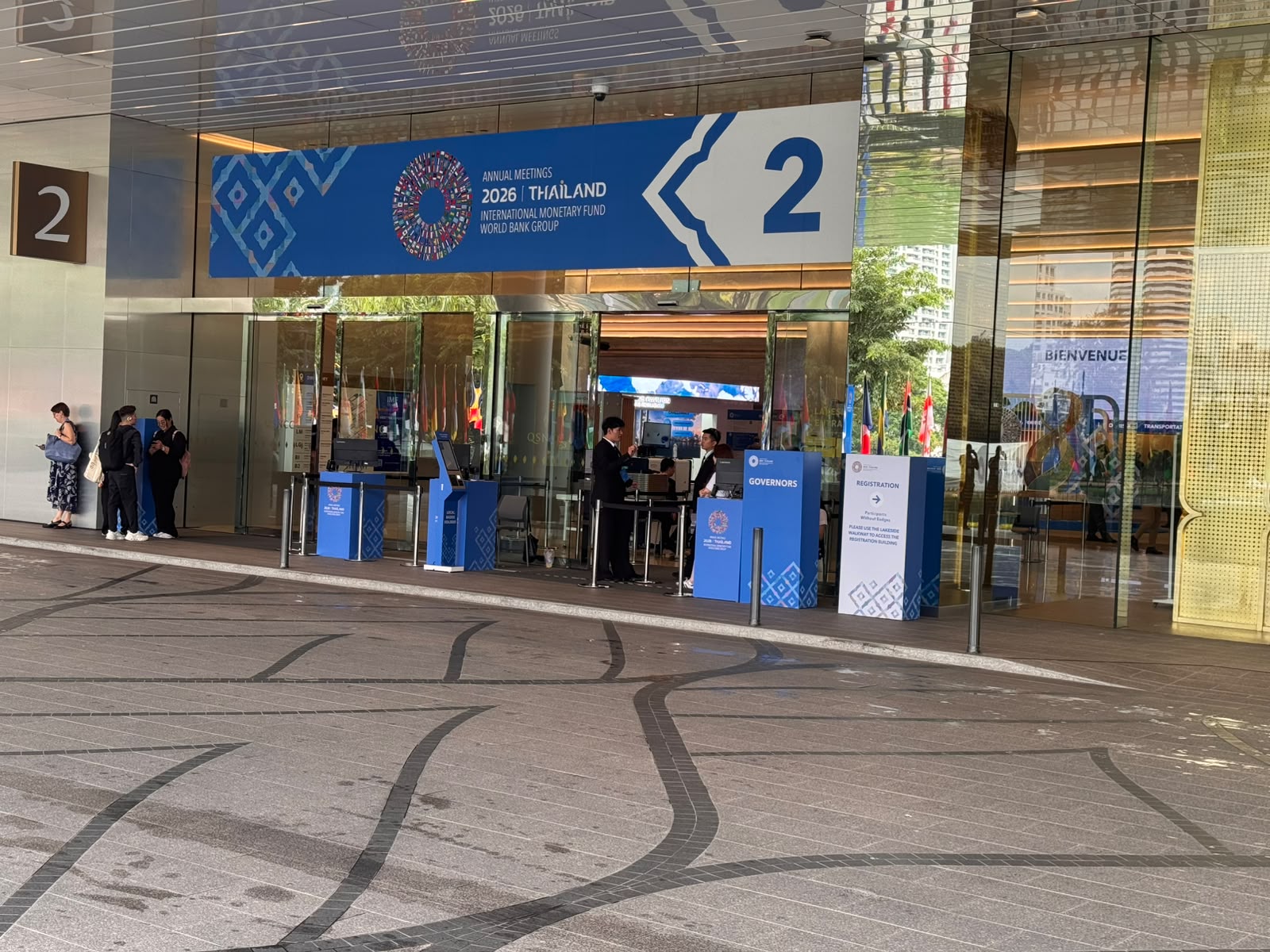
The meetings opened in a city recovering from severe flooding, a reminder that the climate crisis does not wait outside the conference hall. Inside, the official agenda was dominated by private capital, Artificial Intelligence (AI) and jobs. Energy access, which all three depend on, had no session of its own.
That shaped how ACCESS worked. If electricity was not going to have its own room, we would bring it into every room we entered. In conversations about jobs, we talked about the workshop that cannot open without power. In conversations about private capital, we asked who carries the risk when investors are told it has been removed. In conversations about AI we pointed out that algorithms run on electricity too.
The World Bank’s leadership spent the week describing a new way of measuring success: by the jobs and incomes its projects create. We welcome that. Nobody runs a welding shop, a cold store or a mobile money kiosk in the dark. But if electricity is the foundation for those jobs, someone has to check that the foundation is really being laid, and for whom.
Fifty million, and counting
In June, Mission 300 announced it had connected more than 50 million people. That is real progress, and the people behind it deserve credit. It is also a number that raises questions the moment you look inside it.
How many of those connections come from new money, and how many from projects that were approved and under way before Mission 300 existed? Where exactly are the millions of connections delivered through the Bank’s private sector arms? And what does a connection mean in practice: a single light bulb, or power reliable enough to run a business?
These questions came up again and again in Bangkok, and to its credit the Bank engaged with them. A senior World Bank official accepted that the point about older projects was valid. He argued that Mission 300 should instead be judged on whether it speeds up electrification beyond the pace of the previous decade.
We accept that test. A clear yardstick is better than a headline. But a test only works if everyone can see the results, so the Bank should publish the baseline and the pace, country by country, alongside a clear split between new and existing finance, and between public and private money.
The ladder and the people who slip off it
One of the most useful images of the week came from the Bank itself. Energy access, it said, should work like a ladder. A rural household might start with a solar lantern, move up to a home system, and later to a grid connection as its income grows. Nobody should be locked in at the bottom rung.
We like the ladder. But the Bank was also honest about what happens when times get hard. Some families who bought solar home systems on monthly payments fall behind and lose their power. They were counted when they were connected. Nobody counts them when the lights go off.
This is why affordability has to sit next to connections as a headline number. It is also why the World Bank’s own Multi-Tier Framework, which grades access by hours of supply, reliability and cost, should be used to report Mission 300 results. A household with power for two hours a day has climbed one rung, not the whole ladder.
There is one item that hardly featured at all. In the sessions we attended, clean cooking barely came up, though most homes across Sub-Saharan Africa still cook with wood and charcoal. For millions of women, energy poverty is the smoke in the kitchen as much as the dark at night. Clean cooking deserves its own line in the Mission 300 tracker.
Holding the floor for fragile states
A programme judged on speed has a quiet incentive to go where things are easiest: stable countries, bankable markets and households that can already pay. The people furthest behind mostly live in fragile and conflict-affected places, where none of those conditions hold.
So when ACCESS took the floor at a forum on Mission 300’s progress, we asked for a safeguard: at least 15% of Mission 300 finance ring-fenced for fragile and conflict-affected settings, delivered mainly as grants rather than loans to governments already struggling with debt. The session ran out of time before the panel could answer. The room answered instead. Afterwards, civil society organisations from across Africa and Asia came to us to back the idea. What started as one line in our position statement now has a growing coalition behind it.
Pulling out more chairs
The week also made clear who is still missing from the Mission 300 conversation. Governments and investors are at the table. Trade unions, mini-grid developers, utilities, regulators and local governments, the people who will dig the trenches, read the meters and answer the complaints, mostly are not. Neither, too often, are the communities themselves.
Participation only counts if it happens while decisions can still change. Each Mission 300 country already has a national body that oversees its Compact. Giving civil society a formal seat there would cost little and catch problems early. The chairs exist. Someone just has to pull them out.
Back to the pole
Annual Meetings are good at producing promises and less good at keeping score. So here is ours.
By the next time the World Bank and its partners report on Mission 300, we want to know four things. Has the tracker shown where the money comes from, and how much of it is new? Has the pace of electrification really picked up, country by country? Have fragile and conflict-affected states received their fair share? And can the families connected this year still afford their power next year?
The Bank has said it will come back to civil society on reporting and transparency. We will hold it to that, as partners who want Mission 300 to succeed.
Which brings me back to the pole at the edge of the village. If Mission 300 gets this right, that pole will be made in Africa, by African workers, carrying power that the family at the end of the line can afford, in a country that was not skipped because it was hard to reach. That is what 300 million should mean. It is what we will keep counting until it does.