


By Florence Gichoya
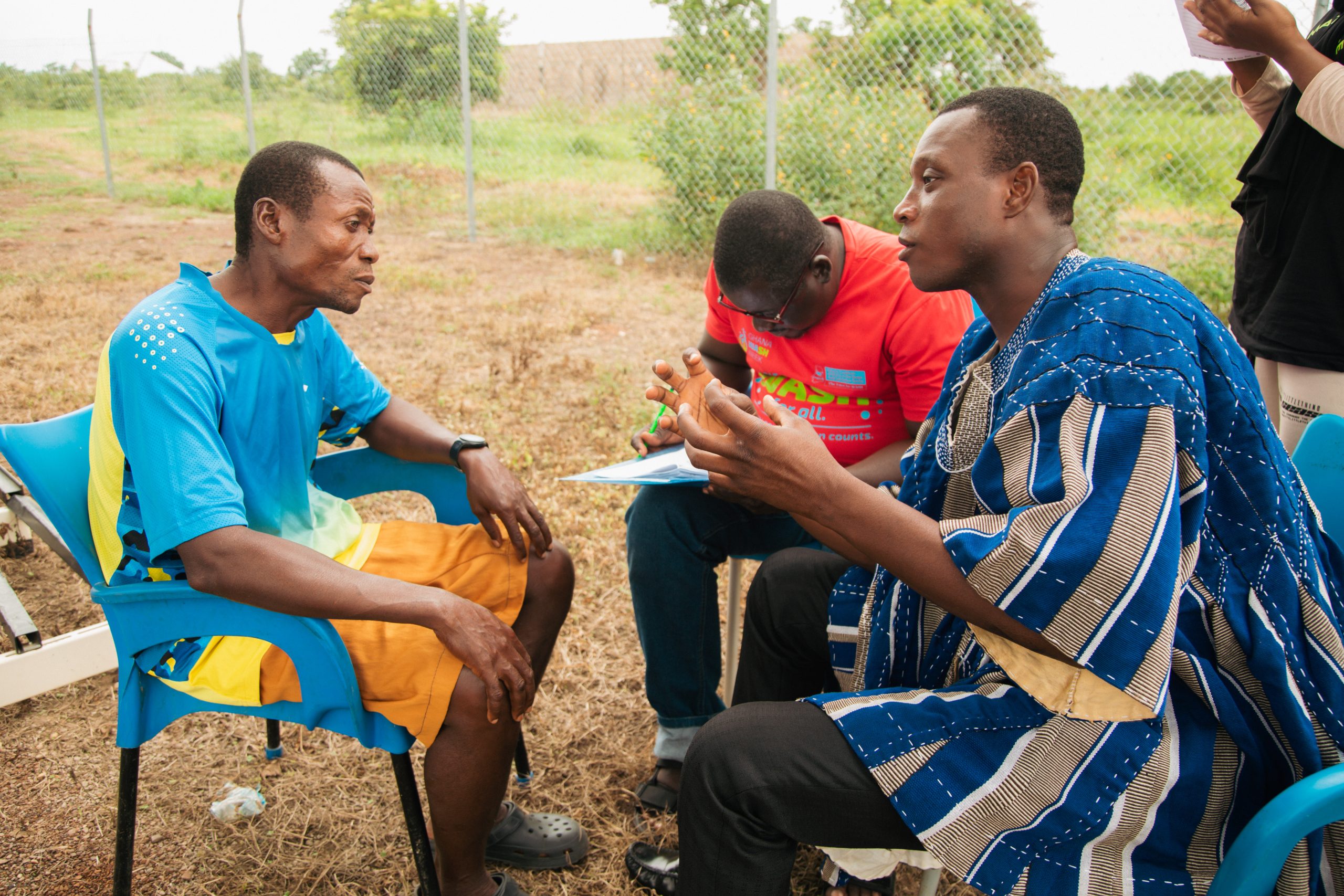
The Strategic Youth Network for Development (SYND), ACCESS Coalition’s Western Africa node, conducted a community engagement activity in Ghana.
The study evaluated the impact of solar mini-grids that were set up in the Wayokope and Atigagorme island communities under the Ghana Energy Development and Access Project (GEDAP), which was funded by the World Bank.
The activity assessed the social, economic and environmental impacts of the mini-grid projects, identifying challenges and providing recommendations to enhance energy access and promote sustainable development.
Priscilla Adogo, Energy Lead at SYND, stated the goal of the exercise was to document the experiences of the island communities with mini-grids. “We intend to use the findings to influence the improvement of similar projects funded by the World Bank and other development institutions,” she said.
Although Ghana has an electrification rate of 88%, remote and off-grid communities lack clean energy access due to a lack of investments in the grid transmission and distribution networks. Solar mini-grids have emerged as a sustainable solution to provide reliable energy to the last mile areas.
The mini-grids were set up in 2016 and have significantly improved electricity access, enhancing community life through increased economic activities. 95% of the respondents acknowledged enhanced security due to reduced crime rates and wildlife threats at night. Over 80% of the respondents reported more income-generating opportunities. While 69% of respondents believed the mini-grids reduced environmental pollution.
Reliable electricity and access to refrigeration enabled new business opportunities in the fishery sector. Improved lighting allowed students to study at night, with 85% reporting an enhanced educational experience and healthcare access. Prior to the set-up of the mini-grids, the island communities lacked healthcare services due to lack of refrigeration for medical supplies.
However, frequent outages and maintenance problems compromised the reliability of the mini-grid; for instance, Wayokope experienced a one-year outage. Still, inconsistent mini-grid performance led to increased reliance on traditional fuels, limiting environmental improvements.
High maintenance costs without adequate financial support threaten the long-term viability of the projects. The study recommended investments in the mini-grids’ capacity and reliability to meet growing energy demands and the development of comprehensive operation and maintenance protocols that will improve the efficiency.
ACCESS members advocated for the World Bank to foster collaborations with civil society organizations (CSOs) to enhance transparency, accountability, and community involvement in the implementation of energy projects.


Leave A Comment